
Achieving initial weight loss is a significant milestone, but maintaining momentum can be challenging. Many people find that after shedding the first few pounds, progress slows down or even stalls. This plateau can be frustrating, but it’s important to remember that continued weight loss is possible with the right strategies. Whether you’re just starting or looking to break through a plateau, these strategies can help you keep moving toward your goals.
1. Reassess Your Caloric Intake
As you lose weight, your body requires fewer calories to function. If you continue eating the same amount as when you started, your progress may stall. It’s crucial to periodically reassess your caloric intake to ensure it aligns with your current weight and activity level. Consider using a calorie calculator or consulting a nutritionist to determine your new daily calorie needs.
2. Incorporate Strength Training
Many people focus primarily on cardio exercises when trying to lose weight, but strength training is equally important. Building muscle not only helps you tone your body but also boosts your metabolism. Muscle tissue burns more calories at rest than fat tissue, so the more muscle you have, the more calories you’ll burn throughout the day. Incorporate strength training exercises, such as weightlifting, resistance bands, or bodyweight exercises, into your routine to continue losing weight.
3. Vary Your Workouts
Doing the same workout routine every day can lead to a plateau as your body becomes efficient at performing those exercises. To keep your body challenged and prevent adaptation, vary your workouts regularly. Try incorporating different types of exercise, such as high-intensity interval training (HIIT), yoga, swimming, or cycling. This variation not only keeps your workouts interesting but also ensures that you’re working different muscle groups and boosting your overall fitness.
4. Focus on Nutrient-Dense Foods
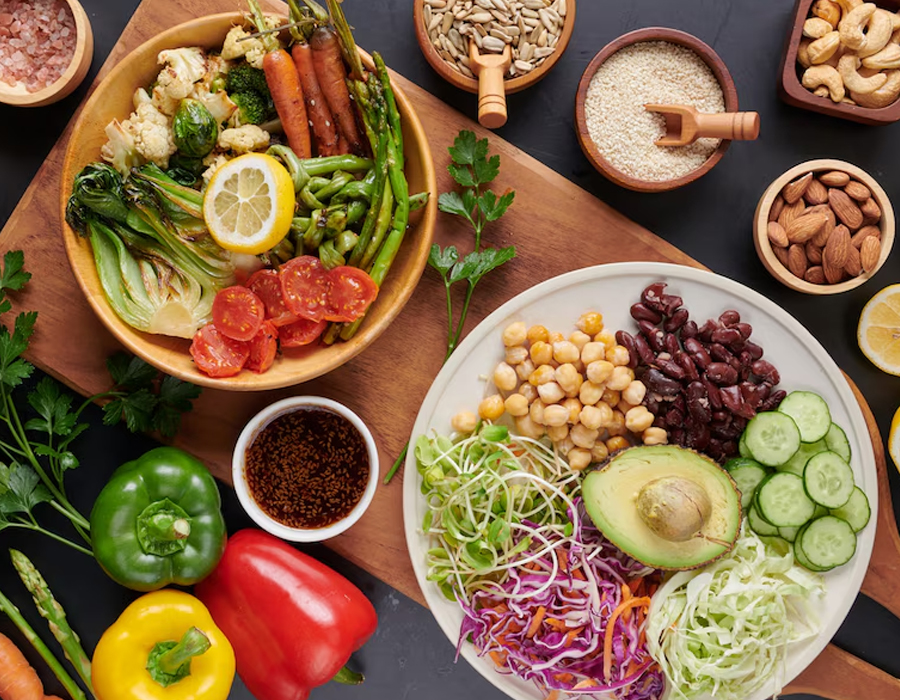
As you progress in your weight loss journey, it’s important to focus on the quality of the foods you’re eating. Choose nutrient-dense foods that are rich in vitamins, minerals, and fiber, and low in empty calories. These foods not only support your overall health but also help you feel fuller longer, reducing the likelihood of overeating. Fill your plate with plenty of vegetables, fruits, whole grains, lean proteins, and healthy fats.
5. Practice Mindful Eating
Mindful eating is a powerful tool for continued weight loss. It involves paying full attention to your eating experience, including the taste, texture, and aroma of your food, as well as your hunger and fullness cues. By eating mindfully, you can avoid overeating and make more conscious food choices. Slow down during meals, savor each bite, and listen to your body’s signals to stop eating when you’re satisfied.
6. Set New, Specific Goals
After achieving your initial weight loss goals, it’s important to set new, specific goals to keep yourself motivated. These goals can be related to further weight loss, fitness achievements, or even adopting new healthy habits. For example, you might set a goal to run a 5K, increase your strength training sessions to three times a week, or try a new healthy recipe each week. Having clear, attainable goals keeps you focused and provides a sense of accomplishment as you continue making progress.
7. Monitor Your Progress
Regularly tracking your progress is essential for continued success. This doesn’t just mean weighing yourself—although that can be one metric—but also tracking other indicators of health, such as body measurements, fitness levels, and how your clothes fit. Keeping a journal or using a tracking app can help you stay aware of your progress and identify areas where you might need to make adjustments.
8. Stay Hydrated
Proper hydration is often overlooked but is crucial for weight loss. Drinking enough water supports your metabolism, helps control hunger, and aids in digestion. Sometimes, thirst is mistaken for hunger, leading to unnecessary snacking. Make it a habit to drink water throughout the day, especially before meals, to help control your appetite and keep your body functioning optimally.
9. Get Enough Sleep
Sleep plays a vital role in weight loss and overall health. Lack of sleep can lead to increased hunger and cravings, particularly for high-calorie, sugary foods. It also negatively impacts your energy levels, making it harder to stay active and motivated. Aim for 7-9 hours of quality sleep each night to support your weight loss efforts. Establish a regular sleep routine, create a relaxing bedtime environment, and limit screen time before bed to improve your sleep quality.
10. Seek Support When Needed
Weight loss can be challenging, and it’s okay to seek support when you need it. Whether from a friend, family member, or a professional like a nutritionist or personal trainer, support can provide motivation, accountability, and guidance. If you find yourself struggling with emotional eating, consider talking to a therapist who specializes in eating behaviors. Building a network of support can help you stay on track and overcome obstacles.
Conclusion
Continued weight loss progress is achievable with the right strategies and mindset. By reassessing your caloric needs, varying your workouts, focusing on nutrient-dense foods, and setting new goals, you can break through plateaus and maintain momentum on your journey. Remember, weight loss is a marathon, not a sprint. Stay patient, be consistent, and celebrate every step forward, no matter how small.